

Can Diamonds Scratch, Chip or Break? What Hardness Really Means
Diamonds are exceptionally hard but can still chip. Learn how scratch resistance differs from toughness and how to protect your jewelry.
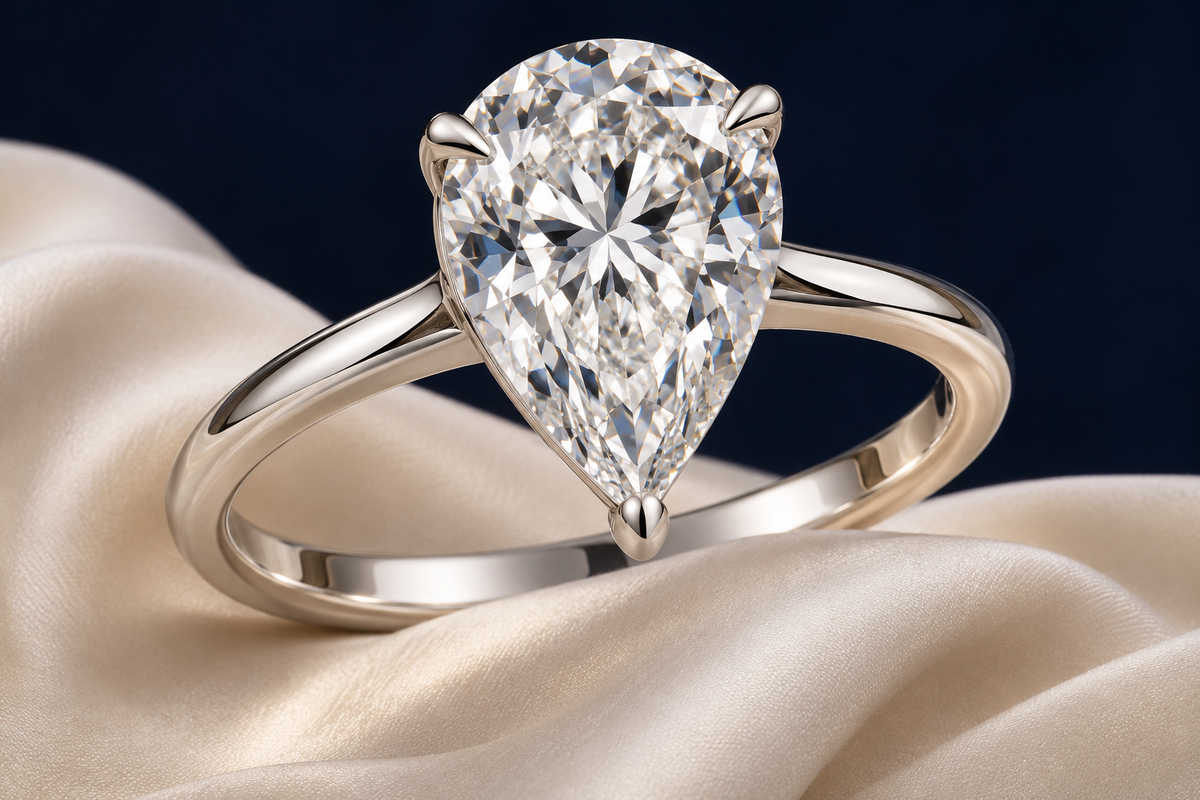
Yes, diamonds can chip or break, and diamonds can scratch one another. Exceptional scratch resistance does not make a diamond indestructible.
Hardness and toughness are different
GIA distinguishes hardness, which concerns resistance to scratches and abrasion, from toughness, which concerns resistance to breaking and chipping. Diamond is extremely hard, but a strong impact can still cause damage.
This is why a ring deserves care even when its center stone is diamond. The setting and metal also have their own limits. A piece that survives ordinary wear is not designed for every task.
Protect points, edges and the setting
GIA’s chipping guide discusses how a diamond’s geometry and setting affect vulnerability. Sharp points and exposed areas deserve attention. When considering a pear or princess shape, ask how the setting protects its tip or corners and how the design suits your routine.
Remove rings before activities that could deliver a hard blow or substantial pressure. Store jewelry in separate compartments so diamond pieces are not rubbing against each other. Avoid tossing several rings into one pouch.
- Notice prongs that catch, look bent or seem missing.
- Pay attention if a stone moves or makes a new sound.
- Ask for an inspection after a significant impact.
- Do not attempt to tighten or reshape prongs at home.
What if you think your diamond is damaged?
Stop wearing the piece and put it in a secure container. Take it to a jeweler for assessment. Do not test the suspected chip by rubbing the stone or pressing on the setting. A professional can help distinguish surface dirt, a reflection, an existing characteristic and new damage.
A laboratory-grown diamond needs thoughtful protection too; origin does not make it immune to damage. Choose a design you love, then learn the care routine appropriate to that design.
At Melden, the shape conversation can include more than appearance. Bring questions about everyday wear, setting coverage and how a wedding band may sit beside the engagement ring. Those practical details help make the final choice feel right beyond the first photograph.
Common questions
Can two diamond rings scratch each other?
Diamond-to-diamond contact can cause damage. Store pieces separately and ask about compatible ring stacks.
Does lab-grown origin make a diamond unbreakable?
No. Laboratory-grown diamond still needs protection from impacts and appropriate setting care.
Find the piece that feels like you
Explore made-to-order diamond jewelry with Melden Fine Jewelers. Meet with us in Northwest Arkansas or arrange a virtual consultation to discuss your design, diamond and metal preferences.
Book a private consultationExplore diamond ringsEducational sources: GIA: How to Protect Your Diamond from Chipping · GIA: Diamond Care and Cleaning. Reviewed November 2026.
Editorial image illustrates a ring style. Available Melden designs and specifications may differ.